

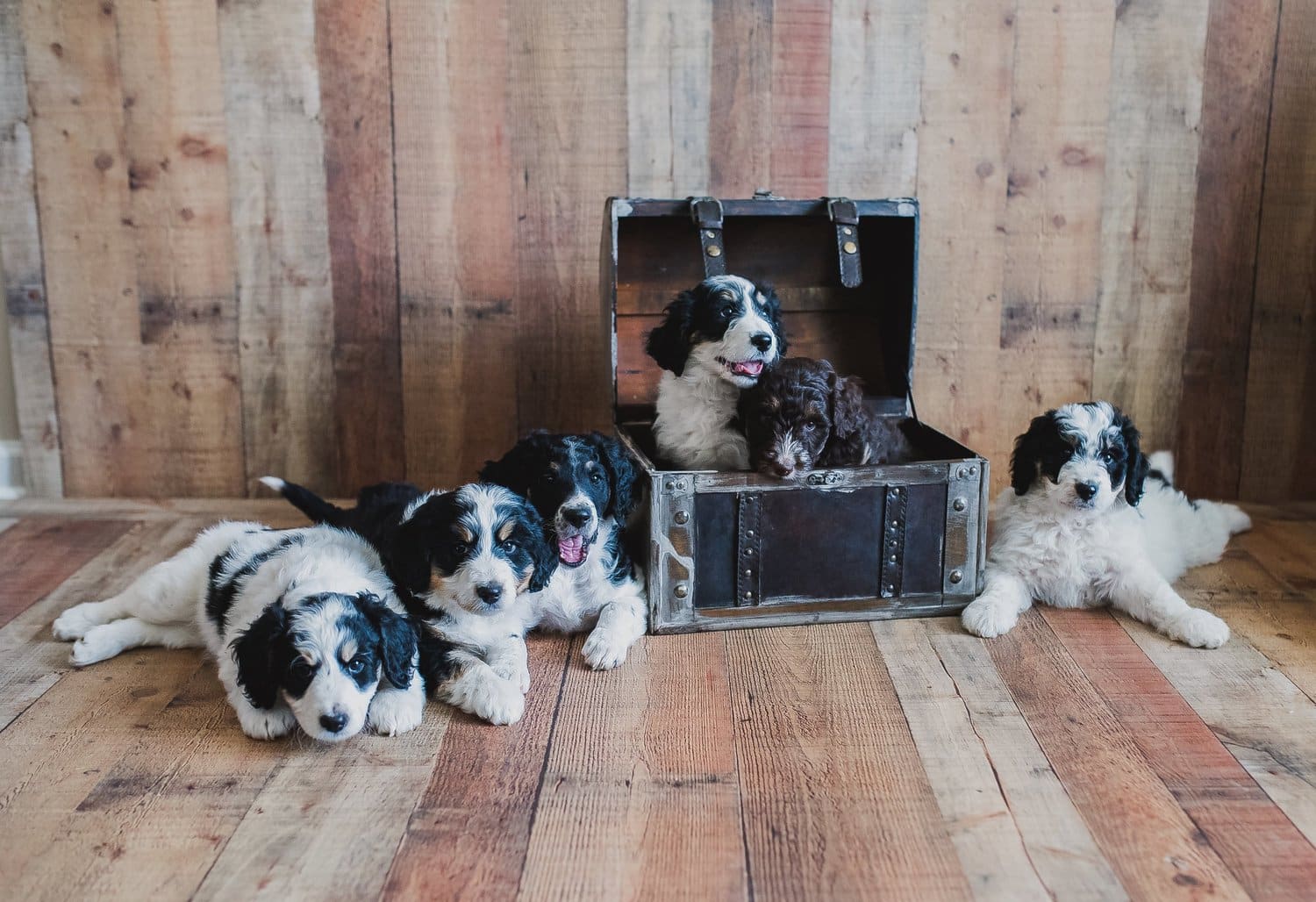
3 Ways to Naturally Reduce Hairballs in Doodle Puppies
If you’ve noticed your doodle puppy hacking, gagging, or vomiting up clumps of fur, you’re not alone. Hairballs are a common concern for doodle owners — and the good news is that there are simple, natural ways to help.
Do Doodle Puppies Really Get Hairballs?
When most people think of hairballs, they think of cats. But doodle puppies — Goldendoodles, Labradoodles, Bernedoodles, and other poodle mixes — can experience hairballs too, especially during their transition from puppy coat to adult coat. Their thick, wavy, or curly double coats shed more than you might expect during these stages, and when puppies groom themselves or chew on their own fur, they can ingest enough of it to cause digestive discomfort.
Common signs your doodle puppy may have a hairball issue include:
- Repeated gagging or retching
- Vomiting up a tubular clump of fur
- Reduced appetite or lethargy
- Constipation or changes in stool
If symptoms are severe or persistent, always consult your veterinarian first. But for mild cases and ongoing prevention, these three natural strategies can make a big difference.
1. Brush Your Doodle Puppy Regularly (and Correctly)
The single most effective way to reduce hairballs is to remove loose fur before your doodle swallows it. Doodle coats are notoriously prone to matting and shedding, particularly during the 6–14 month window when puppies shed their softer puppy coat.
How often should you brush? Aim for at least 3–4 times per week for wavy or curly doodle coats, and daily during heavy shedding periods.
What tools work best? A slicker brush combined with a metal comb works well for most doodle coats. A de-shedding undercoat rake can also help remove loose fur deep in the coat before it ends up in your puppy’s belly.
Make brushing a calm, positive experience from an early age. Use treats and keep sessions short to build a routine your pup actually enjoys. This isn’t just about hairballs — regular brushing supports skin health, coat appearance, and bonding between you and your dog.
2. Support Digestion with Fiber-Rich Foods and Hydration
A healthy, well-functioning digestive system is your puppy’s best natural defense against hairballs. When the gut is moving efficiently, small amounts of ingested fur typically pass through without causing problems. Digestive slowdowns are when fur accumulates into problematic masses.
Add natural fiber sources. A small amount of plain canned pumpkin (not pie filling) is a go-to remedy among doodle owners and veterinarians alike. The soluble fiber helps move hair through the digestive tract. Start with half a teaspoon mixed into your puppy’s food once daily and adjust based on stool consistency.
Other gentle fiber additions include:
- Cooked sweet potato (plain, no seasoning) — rich in fiber and easy to digest
- Psyllium husk — in very small amounts, always with plenty of water
- Plain cooked carrots — a fiber-friendly treat most doodles love
Keep your puppy well-hydrated. Dehydration slows digestion and makes it harder for fur to pass through naturally. Make sure fresh water is always available. Some doodle owners find that switching to a wet food or adding a splash of water or low-sodium broth to kibble encourages better hydration, especially in puppies that aren’t enthusiastic drinkers.
3. Discourage Excessive Self-Grooming and Fur Chewing
Unlike cats, dogs don’t typically groom themselves obsessively — but some doodle puppies do develop habits of licking, chewing, or nibbling at their fur, especially when bored, anxious, or dealing with skin irritation. This behavior dramatically increases the amount of fur they ingest.
Address boredom and anxiety. Doodles are high-energy, intelligent dogs that need mental and physical stimulation. A puppy chewing its own coat may simply need more engagement. Puzzle feeders, interactive toys, training sessions, and regular exercise can reduce fur-chewing born out of boredom.
Check for skin issues. If your puppy obsessively licks or chews at specific areas, there may be an underlying skin irritation, allergy, or hot spot driving the behavior. Common culprits include food allergies, environmental allergens, and fleas. A visit to your vet can rule out these causes and help you address them directly.
Use safe deterrents when needed. If your puppy has a habit of chewing at their coat, a veterinarian-approved bitter apple spray applied to the fur in those areas can discourage the behavior while you work on the root cause.
When to See a Vet
Natural prevention goes a long way, but there are times when professional guidance is essential. Contact your veterinarian if your doodle puppy:
- Has been retching or gagging frequently without bringing anything up
- Shows signs of abdominal discomfort, bloating, or tenderness
- Has not had a bowel movement in more than 48 hours
- Appears lethargic or has lost interest in food or water
A blockage caused by a large hairball is a medical emergency. When in doubt, always err on the side of calling your vet.
Final Thoughts
Hairballs in doodle puppies are manageable — and largely preventable — with consistent grooming, good nutrition, and a watchful eye on your pup’s habits. The combination of regular brushing, digestive support through fiber and hydration, and reducing excessive fur chewing creates a strong foundation for a happy, healthy doodle gut.
The earlier you build these habits, the easier they are to maintain as your puppy grows into an adult dog. Your doodle will thank you for it — even if they’re too busy zooming around the yard to say so.
Have questions about your doodle’s coat or digestion? Drop them in the comments below or speak with your veterinarian for personalized guidance.