

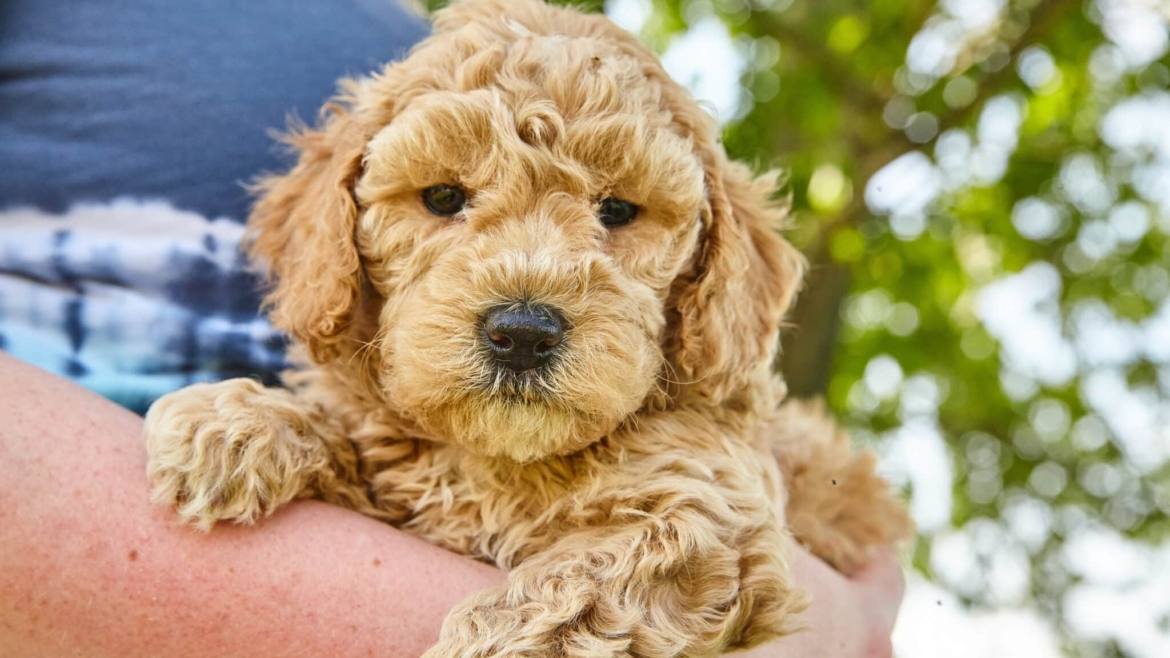
The Best Toys for Puppies in 2025 (What to Buy, What to Skip, and Why It Matters)
Bringing home a new puppy is one of life’s great joys — and one of its great chaos generators. Between the chewing, the zoomies, the midnight whining, and the mysterious destruction of your favorite shoes, a well-stocked toy collection isn’t a luxury. It’s survival gear. But not all puppy toys are created equal. Here’s everything you need to know to choose the right ones.
Why Puppy Toys Are More Important Than You Think
Toys aren’t just entertainment for puppies — they’re developmental tools. During the first few months of a dog’s life, play is how they learn about the world, develop motor skills, manage the discomfort of teething, and burn the seemingly endless energy that comes with being a baby animal.
A puppy without adequate toys and stimulation doesn’t just get bored. They get destructive. They chew furniture, dig up carpets, bark excessively, and develop anxiety-driven behaviors that can persist into adulthood. The right toys at the right developmental stage are one of the most powerful tools you have for raising a confident, well-adjusted dog.
Beyond behavior, toys also support physical development. Tug toys build jaw and neck strength. Fetch toys develop coordination and cardiovascular fitness. Puzzle toys stimulate cognitive development and teach puppies how to problem-solve — a skill that pays dividends in training responsiveness for years to come.
What to Look for in a Puppy Toy
Before diving into specific recommendations, here’s a quick framework for evaluating any puppy toy:
Size-appropriate. A toy that’s too small is a choking hazard. A toy that’s too large is frustrating and unusable. As a general rule, a toy should be large enough that your puppy can’t fit the whole thing in their mouth and swallow it.
Durability matched to chewing strength. Puppy teeth are sharp but jaws are still developing. Most puppies don’t need ultra-tough chew toys designed for power chewers — but they do need toys that won’t shred into dangerous fragments after one session.
No toxic materials. Look for toys made from non-toxic, BPA-free materials. Avoid toys with small parts that can be chewed off and swallowed, and be cautious with toys that have squeakers unless your puppy is supervised.
Engaging enough to hold attention. The most “educational” toy in the world is useless if your puppy ignores it. Consider your puppy’s natural play style — some are chasers, some are chewers, some are problem-solvers — and choose accordingly.
The Best Types of Puppy Toys (And Our Top Picks by Category)
Chew Toys — For Teething Relief and Jaw Development
Teething typically begins around 3–4 months and peaks between 4–6 months, when puppies lose their baby teeth and adult teeth come in. During this period, chewing isn’t just instinctual — it’s necessary. Providing appropriate chew toys during this window saves your furniture and gives your puppy healthy relief for sore gums.
What to look for: Soft to medium-firm rubber or nylon materials that give slightly under pressure. Avoid anything too hard (a common rule of thumb: if you can’t bend it or press your thumbnail into it, it’s too hard for a puppy) as hard chews can crack developing teeth.
Top picks for teething puppies:
- KONG Puppy Toy — The gold standard for puppy chew toys. Made from a softer rubber formula than the classic KONG, it’s designed specifically for puppy teeth and gums. Stuff it with peanut butter or kibble and freeze it for extended teething relief. Available in sizes XS through L.
- Nylabone Puppy Chew Toys — Designed specifically for puppies under 25 lbs, these come in bacon, chicken, and peanut butter flavors that keep pups engaged. The textured surface also helps clean teeth as they chew.
- Benebone Puppy Wishbone — Made with real food ingredients (bacon, chicken, or peanut butter) baked into the nylon, so the flavor is throughout the toy rather than just on the surface. The curved shape makes it easy for puppies to hold and gnaw.
Interactive and Puzzle Toys — For Mental Stimulation
Mental exercise tires puppies out just as effectively as physical activity — sometimes more so. Puzzle toys engage a puppy’s problem-solving instincts, slow down fast eaters, and provide structured enrichment that reduces boredom-driven destruction.
Interactive toys are particularly valuable for high-energy, intelligent breeds like Border Collies, Australian Shepherds, Poodles, and Doodles, but benefit every puppy regardless of breed.
What to look for: Start with Level 1 (beginner) puzzles — ones where the solution is straightforward and the reward is obvious. Puzzles that are too complex too soon lead to frustration rather than engagement.
Top picks for mental stimulation:
- KONG Classic (stuffed) — Simple, endlessly versatile, and almost universally loved. Fill with a mix of kibble, peanut butter, banana, or plain yogurt, freeze overnight, and hand over to your puppy. This one toy can occupy most puppies for 20–30 minutes.
- Outward Hound Nina Ottosson Puppy Puzzle — A beginner-level puzzle with sliding covers that hide treats. Teaches cause-and-effect problem solving in a low-frustration format. Dishwasher safe.
- Licki Mat Playdate — A textured rubber mat spread with soft food (peanut butter, wet food, plain yogurt). The act of licking has a naturally calming effect on dogs due to its repetitive, rhythmic nature — excellent for anxious puppies or post-vaccination recovery days.
- Snuffle Mat — A mat of fabric strips that hides kibble or treats for your puppy to sniff out. Engages natural foraging instincts and can turn mealtime into a 15-minute enrichment activity.
Plush and Comfort Toys — For Security and Gentle Play
Not every toy needs to be a workout or a brain teaser. Plush toys serve an important emotional function for young puppies, especially in the first weeks after coming home. A soft toy can be a comfort object — something to carry, cuddle, and “mother” — that helps ease the transition away from the litter.
What to look for: Reinforced seams, minimal small parts (buttons, plastic eyes), and materials labeled as non-toxic. Plush toys are not for unsupervised chewing — they’re for supervised snuggle play.
Top picks for comfort and gentle play:
- Snuggle Puppy Behavioral Aid Toy — This plush toy contains a battery-operated “heartbeat” and a heat pack, designed to mimic the warmth and rhythm of a littermate. Widely recommended by breeders and veterinarians to help puppies settle at night. A genuinely impressive product for new puppy owners.
- ZippyPaws Skinny Peltz No Stuffing Squeaky Plush — A flat plush toy with squeakers but no stuffing, so there’s nothing to eat if your puppy tears into it. Long, floppy shape makes it easy to carry and shake.
- Multipet Lamb Chop — A classic plush toy beloved by generations of puppies. Soft, squeaky, and just the right size for most breeds. Machine washable.
Fetch and Tug Toys — For Bonding and Physical Exercise
Fetch and tug are more than games — they’re relationship-building activities. Playing tug teaches puppies impulse control (dropping the toy on command is a foundational skill), and fetch lays the groundwork for recall training. Both forms of play strengthen the bond between owner and dog and provide critical physical exercise.
What to look for: Fetch toys should be soft enough not to hurt puppy teeth and small enough to carry comfortably. Tug toys should be long enough that your hands stay away from your puppy’s mouth — at least 12 inches is ideal.
Top picks for fetch and tug:
- Chuckit! Fetch Ball (Puppy Size) — A rubber fetch ball with just the right amount of give for puppy jaws. The bright colors make it easy to spot in grass, and it floats — great for water-loving breeds.
- Mammoth Flossy Chews Tug Toy — A braided rope tug toy that also flosses teeth as your puppy chews. Soft enough for developing teeth, durable enough for enthusiastic play. Multiple size options.
- West Paw Bumi Tug Toy — Made from Zogoflex, a durable, non-toxic, recyclable material. Stretchy enough to make tug satisfying without being a choking hazard. Dishwasher safe and nearly indestructible for most puppies.
Squeaky Toys — For Prey Drive and Solo Play
Squeaky toys tap into a puppy’s natural prey drive — the squeak mimics the sound of small animals, which triggers chasing and “catching” instincts. This makes them highly motivating for most puppies and great for short bursts of solo play.
A note on safety: Squeaky toys should always be used under supervision, especially with puppies that are determined chewers. Once the squeaker is accessible, it becomes a swallowing hazard. Rotate squeaky toys in and out of play sessions rather than leaving them out overnight.
Top picks for squeaky play:
- KONG Squeakair Balls — Combines the satisfying squeak with a tennis-ball-style toy that’s safe for puppy teeth (unlike actual tennis balls, which can be abrasive). Available in puppy sizes.
- Outward Hound Invincibles Plush Squeaky Toys — Double-layered material with multiple squeakers so the toy still works even after your puppy “defeats” one squeaker. One of the most durable plush squeaky options available.
Toys to Avoid for Puppies
Just as important as knowing what to buy is knowing what to skip. Some toys marketed to puppies are actually inappropriate or unsafe for young dogs.
Rawhide chews are a polarizing topic, but for puppies specifically, the risks outweigh the benefits. Large chunks can break off and become choking or blockage hazards, and the processing chemicals used in some rawhides are questionable. Stick to purpose-made puppy chews instead.
Tennis balls (regular) — The fuzzy felt surface of standard tennis balls can be abrasive on puppy teeth over time. Stick to tennis-ball-style toys made specifically for dogs.
Toys with button eyes or small glued-on parts are easily chewed off and swallowed. Opt for embroidered features instead.
Ultra-hard nylon or antler chews are too hard for puppy teeth and can cause fractures. Save these for adult dogs with fully developed dentition.
Very small toys — When in doubt about size, go bigger. A toy your puppy can fit entirely in their mouth is a choking risk.
How Many Toys Does a Puppy Actually Need?
More isn’t always better. A puppy overwhelmed with 30 toys learns that everything is a toy — including your shoes and couch cushions. A more focused collection of 6–10 toys across different categories, rotated regularly, keeps things novel and engaging without creating sensory overload.
Toy rotation is one of the most underrated tricks in puppy ownership. Instead of leaving all toys out at once, keep a small selection available and swap in “new” toys every few days. Your puppy will greet familiar toys with renewed excitement, extending their useful life considerably.
Building Your Puppy Toy Starter Kit
If you’re starting from scratch, here’s a simple starter kit that covers all the bases without breaking the bank:
- 1 KONG Puppy (stuffable chew toy for teething and solo enrichment)
- 1 rope tug toy (for bonding play and dental health)
- 1 plush comfort toy (for emotional security, especially the first few weeks)
- 1 fetch ball (for outdoor exercise and recall training)
- 1 puzzle or snuffle mat (for mental stimulation and mealtime enrichment)
- 1 squeaky toy (for supervised high-excitement play)
This six-toy foundation covers chewing, mental stimulation, physical exercise, comfort, and bonding — everything a growing puppy needs to thrive.